
Nearly 60% of American households hold onto at least one family heirloom, yet many don’t realize their potential financial value or the complexity involved in letting them go.
Whether it’s a grandmother’s wedding ring, a collection of rare coins, or vintage memorabilia tucked away in an attic, these items can carry a mix of emotional significance and monetary worth.
Selling family heirlooms can be both a practical financial decision and an emotionally charged process. As someone who’s worked in personal finance and accounting for over 15 years, I’ve seen how these decisions affect families, not just on their balance sheets, but in their relationships and sense of legacy.
This guide is designed to help you navigate the process with confidence.
Understanding the Value of Heirlooms
Selling family heirlooms begins with understanding the types of value these items hold. While many people focus on the financial aspect, heirlooms often carry emotional, educational, and cultural significance that can complicate the decision to sell.
Sentimental vs. Financial Value
Heirlooms are often cherished not for their monetary worth but for the memories they represent. A ring passed down through generations or a faded photograph might evoke powerful emotions.
This sentimental value can make it difficult to part with items, even when they could help meet financial goals.
Sometimes though, financial realities sometimes take precedence. Whether covering medical bills, funding education, or simply downsizing, families may find themselves weighing emotional attachment against practical needs.
A helpful strategy is to separate your emotional connection from the item itself. For example, photographing the heirloom or writing down its story can preserve memories without needing to keep the physical object.
Cultural and Historical Significance
Some heirlooms carry cultural or historical weight. In certain cultures, such as those in Southeast Asia, items known as pusaka are believed to hold spiritual importance and are passed down with great care and ceremony.
Selling such pieces without understanding their significance can lead to unintended harm or family tension.
Historical significance can also affect value and sale decisions. Items linked to major events or historical figures may be more valuable on the open market, but they might also be better suited for donation to a museum or historical society, where they can be preserved and appreciated publicly.
Educational and Legacy Value
Heirlooms can serve as powerful tools for teaching family history and values. A World War II medal, for instance, can help younger generations connect with their ancestry and understand historical events on a personal level.
Even if an item is not sold, documenting its history or creating a family archive can preserve its legacy in meaningful ways.
Common Types of Family Heirlooms Worth Selling
Selling Heirloom Jewelry
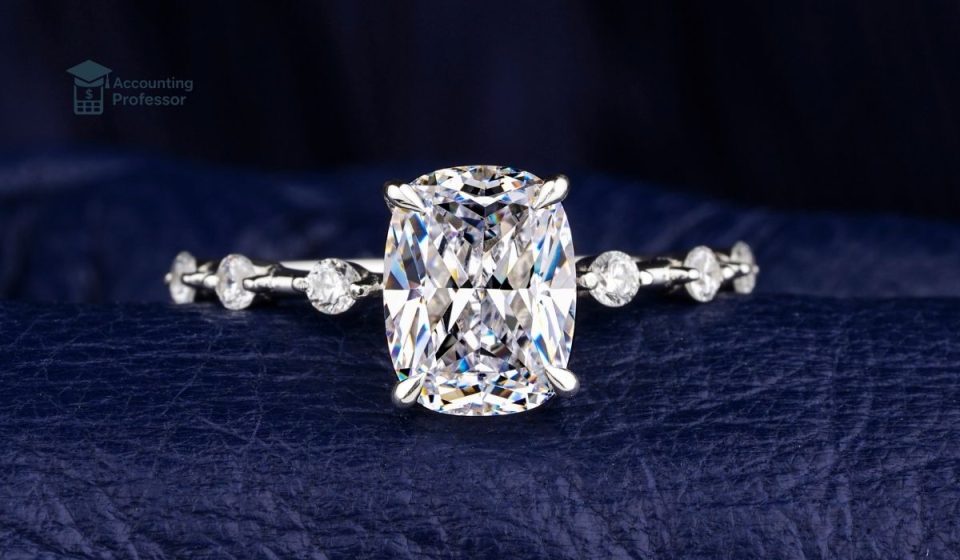
Heirloom jewelry is one of the most common items considered for sale. Whether it’s a diamond ring, a gold bracelet, or antique brooches, these pieces often contain valuable metals or gemstones.
Before selling heirloom jewelry, identify the materials and any hallmarks that indicate metal purity or designer origin. I strongly recommend a professional appraisal, as it helps you price the item accurately and avoid undervaluation.
Cleaning the jewelry carefully and photographing it under good lighting will also help attract serious buyers.
- Look for stamps indicating gold or silver content (e.g., 14K, 925).
- Consider repurposing stones into new designs if emotional value is strong.
- Use a certified gemologist or appraiser for valuation.
Selling Inherited Coin Collections
Inherited coin collections can range from casual assortments to highly valuable numismatic sets. Before you decide to sell gold coins or silver coins, it’s important to understand rarity, condition, and historical context.
A reputable numismatist or coin dealer can help assess the collection. Coins with errors, limited mintages, or historical relevance may carry higher value. Avoid cleaning coins, as this can reduce their worth.
- Organize coins by type, year, and country of origin.
- Research recent auction results for similar coins.
- Get multiple appraisals to compare valuations.
Selling Family Collections and Miscellaneous Items
Family collections can involves a variety of items such as vintage toys, antique furniture, artwork, or sports memorabilia. These can be harder to price due to their diversity and niche appeal, but there are numerous selling options available.
Market interest is typically driven by brand, era, and condition. For example, mid-century modern furniture or signed artwork often attracts collectors. Using online marketplaces or estate sale professionals can help reach the right audience.
- Document any known history or origin of the item.
- Photograph from multiple angles to highlight details.
- Sell through niche platforms if the item has a specific collector base.
How To Prepare Heirlooms for Sale
Inventory and Documentation
Start by listing every item you wish to sell. Note its current condition, any visible markings, and any family stories or records associated with it. This helps with organization and provides valuable information to buyers.
Professional Appraisals and Provenance
A professional appraisal gives you an unbiased estimate of value based on market conditions and item characteristics. Choose appraisers with credentials in their specific fields, such as jewelry, coins, antiques, etc.
Provenance, or the documented history of an item, can significantly increase value. If official records aren’t available, write down what you know. this can include who owned it, when it was acquired, and any notable events tied to it.
Photography and Presentation
Good presentation can make all the difference. Use natural lighting, a neutral background, and clear close-ups. Highlight any unique features such as engravings or maker’s marks. Use a tripod for steady shots, and include a scale or ruler for size reference when needed.
Choosing the Right Sales Channel
Auction Houses vs. Dealers
Auction houses are ideal for rare or high-value items. They bring in competitive bids and often attract serious collectors. However, they charge commissions and may take longer to complete the sale.
Dealers, on the other hand, allow for quicker transactions. The trade-off is that they typically offer lower prices, as they need room for resale profit.
Online Marketplaces and Consignment Shops
Platforms such as eBay and Etsy allow you to reach a global audience. Selling successfully with these sites requires strong product descriptions, good photos, and awareness of scams. Seller fees and shipping logistics should also be considered.
Consignment shops sell your item on your behalf and take a percentage of the sale. They’re useful for local sales or specialty items such as vintage clothing or art. Be sure you understand platform fees and policies, and always use secure payment methods.
Estate Sales and Private Buyers
Estate sales are often organized by professionals and held in the home, making them suitable when selling multiple items. They attract buyers looking for antiques, furniture, and household collectibles.
Private buyers may include collectors or family friends. These arrangements can be more personal but require clear agreements to avoid disputes.
To ensure success:
- Hire experienced estate sale managers.
- Advertise through local channels.
- Protect valuables during the event.
Emotional and Family Dynamics
Managing Regret and Emotional Attachment
Regret is a common response to selling sentimental items. One way to mitigate this is by preserving memories in other formats. For example, photograph the item or write a short narrative about its significance.
Family Communication and Transparency
Open communication can prevent conflict. If multiple family members have a stake in an heirloom, hold a family meeting or video call to involve everyone in the discussion. Carefully explain the reasons for selling, and document decisions and agreements to avoid future disputes.
Alternatives to Selling
Sometimes, selling isn’t the only option. Gifting heirlooms to younger generations can preserve family legacy. Donating to a museum or cultural institution can honor the item’s historical or cultural importance.
Legal and Tax Considerations
Estate Planning and Future Ownership
Heirlooms should be clearly addressed in estate plans to ensure fair distribution. Without clear instructions, disputes may arise among heirs. I highly recommend using legal professionals to draft clear and legally binding documentation.
Tax Implications of Selling
When you inherit an item, its value is typically “stepped up” to the fair market value at the time of inheritance. If you sell it later, capital gains taxes apply only to the amount above that value. Keep appraisal records from time of inheritance, and consult a tax advisor for high-value sales.
Cultural and Ethical Considerations
Some heirlooms may have spiritual or cultural significance. Selling these without understanding their background can be ethically problematic. Research the item’s origins, and consider consulting cultural experts when appropriate.
Moving Forward With Confidence
By preparing thoughtfully, communicating openly, and choosing the right professionals, you can sell family heirlooms to meet financial goals without dishonoring the past.
Whether you’re looking to sell heirloom jewelry, inherited coin collections, or family collectibles, take the time to understand each item’s true emotional and financial value.
If you’re considering selling family heirlooms, start with a professional appraisal. It’s the first step toward making informed, respectful decisions.