
Roughly 70% of Americans own at least one major asset, such as a car, home equipment, or rental property, yet very few track how those assets lose value over time.
This oversight can lead to missed tax deductions, poor budgeting decisions, and inaccurate net worth estimates. Creating a personal depreciation schedule isn’t just for businesses; it can be a powerful tool in your personal finance toolkit.
As a professional accountant with over 15 years of experience, I’ve seen firsthand how a well-maintained depreciation schedule can improve financial clarity.
Whether you’re managing a vehicle depreciation schedule, an equipment depreciation schedule, or a depreciation schedule for rental property, understanding how your assets decline in value helps you plan smarter and make better decisions about repairs, replacements, and taxes.
Understanding What a Depreciation Schedule Is
What Is a Depreciation Schedule?
A depreciation schedule is a structured financial tool that shows how an asset’s value decreases over time. It serves as a record of how much of the asset’s cost has been expensed and how much value remains. This schedule includes key data points such as:
- Initial Cost: The purchase price plus expenses such as delivery, installation, and setup.
- Useful Life: The expected number of years the asset will remain functional or provide value.
- Salvage Value: The estimated value at the end of the asset’s useful life.
- Depreciation Method: The formula used to spread the asset’s cost across its useful life.
- Annual Depreciation Expense: The amount deducted each year.
- Accumulated Depreciation: The total depreciation recorded so far.
- Book Value: The current value of the asset after accounting for depreciation.
This schedule shows how an asset loses value due to wear, obsolescence, or usage. It is commonly used in business accounting, but individuals can apply the same strategy to improve personal financial planning.
Why It Matters for Individuals
For individuals, a depreciation schedule is more than an accounting formality. It provides:
- Better Budgeting: Knowing when an asset will lose value helps you plan for future replacements or upgrades.
- Tax Planning: If you use part of your home for a side business or rent out a property, depreciation can reduce your taxable income.
- Resale Timing: Understanding an asset’s book value helps you decide the best time to sell.
- Net Worth Tracking: Accurate asset values improve your personal balance sheet.
Keep in mind that not everything can be depreciated. Things that hold value over time, such as land, collectibles, and investments, fall in this category.
Key Components of a Depreciation Schedule
Initial Cost and Salvage Value
Start by determining the total cost of the asset. This includes the purchase price, taxes, delivery and shipping, and installation or assembly costs.
Next, estimate the salvage value, which is the amount you expect to recover once the asset is no longer usable. This could be a resale value or scrap value. Salvage value is subtracted from the initial cost to find the depreciable amount.
Useful Life Estimation
The useful life of an asset is the period during which it is expected to generate benefit. You can estimate this using:
- Manufacturer warranties or documentation
- IRS guidelines (especially for rental properties or business-use assets)
- Industry averages or historical data
For example, the IRS considers residential rental property to have a useful life of 27.5 years under MACRS rules.
Depreciation Method Selection
There are several methods to calculate depreciation. The method you choose impacts how much expense is recorded each year:
- Straight-Line: Equal expense each year
- Double-Declining Balance (DDB): Higher expense in early years
- Sum-of-the-Years’ Digits (SYD): Accelerated, but more gradual than DDB
- Units of Production: Based on usage (e.g., miles driven, hours used)
Each method has unique advantages depending on the asset and your financial goals.
Choosing the Right Depreciation Method
Straight-Line Method
This is the most straightforward method. It spreads the cost evenly over the asset’s useful life.
Formula:
(Purchase Cost – Salvage Value) ÷ Useful Life
Best For:
Assets with consistent usage and wear, like furniture or home appliances.
Accelerated Methods (DDB and SYD)
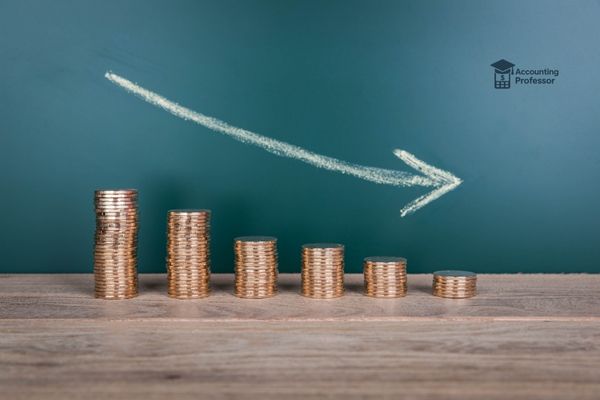
These methods front-load depreciation expenses, which can be helpful for assets that lose value quickly.
Double-Declining Balance (DDB):
Applies a fixed percentage to the declining book value each year.
Sum-of-the-Years’ Digits (SYD):
Allocates a larger portion of the cost in early years using a declining fraction.
Best For:
Vehicles, electronics, or other high-depreciation items.
Units of Production
This method ties depreciation to how much the asset is used.
Formula:
[(Cost – Salvage Value) ÷ Total Expected Units] × Units Used in the Year
Best For:
Tools, machinery, or any asset where wear depends on usage.
Creating a Depreciation Schedule Step by Step
Step 1: Gather Asset Information
Start by collecting:
- Purchase date
- Total cost (including installation and delivery)
- Intended use (personal, business, or rental)
- Any warranties or usage estimates from the manufacturer
Step 2: Choose Useful Life and Salvage Value
Estimate the useful life using IRS tables, manufacturer data, or industry standards. Determine the salvage value based on expected resale or scrap value.
Step 3: Select a Depreciation Method
Choose a method that aligns with how the asset will be used. For instance:
- Use straight-line for household furniture
- Use DDB for a car that depreciates quickly
- Use units of production for a woodworking saw used in a home workshop
Step 4: Calculate Depreciation Expense
Here are sample calculations:
Straight-Line:
- Asset: $10,000
- Salvage Value: $1,000
- Useful Life: 5 years
- Annual Depreciation = ($10,000 – $1,000) / 5 = $1,800
Double-Declining Balance (Year 1):
- Rate = 2 × (1 / 5) = 40%
- Depreciation = 40% × $10,000 = $4,000
Units of Production:
- Total Units: 10,000 hours
- Used in Year: 1,000 hours
- Depreciation = ($10,000 – $1,000) ÷ 10,000 × 1,000 = $900
Step 5: Create the Schedule Table
Use a spreadsheet with these columns to help you track the asset’s changing value over time:
- Year
- Depreciation Expense
- Accumulated Depreciation
- Book Value
Real-World Examples of Personal Depreciation Schedules
Vehicle Depreciation Schedule
Let’s say you buy a car for $25,000 with a salvage value of $5,000 and expect to keep it for 5 years.
- Purchase Price: $25,000
- Salvage Value: $5,000
- Useful Life: 5 years
Straight-Line:
Annual Depreciation = ($25,000 – $5,000) / 5 = $4,000
Double-Declining (Year 1):
- Rate = 40%
- Year 1 = $10,000
- Year 2 = 40% × ($25,000 – $10,000) = $6,000
- Continue until book value reaches salvage value.
Equipment Depreciation Schedule
You buy a woodworking setup for $2,000 with no salvage value and plan to use it for 2,000 hours.
Units of Production:
- Depreciation per hour = $2,000 / 2,000 = $1/hour
- Year 1 usage = 300 hours → Depreciation = $300
Straight-Line alternative = $1,000/year over 2 years
Depreciation Schedule for Rental Property
You buy a rental condo for $200,000. The value of the building (not land) is $160,000. Under IRS rules, residential rental property is depreciated over 27.5 years.
- Purchase Price: $200,000
- Building Value: $160,000
- Useful Life: 27.5 years
Annual Depreciation:
$160,000 ÷ 27.5 = $5,818
If you also purchase appliances worth $6,000, they can be depreciated separately over 5 or 7 years depending on the item.
Maintaining and Updating Your Schedule
Annual Updates and Adjustments
Each year, review your schedule to:
- Adjust for partial-year use if the asset was acquired mid-year
- Reflect any changes in usage (e.g., converting a personal car to business use)
- Account for impairments or damage
Disposal or Sale of Asset
When you sell or retire an asset:
- Stop depreciating once the asset is out of service
- Record the final book value
- Report any gain or loss based on sale price versus book value
Tax and Financial Planning Benefits
Tax Deductions and Documentation
If you use an asset for rental or business purposes, a depreciation schedule supports:
- Legitimate tax deductions
- Accurate reporting on tax returns
- Clear audit trails
This is especially important for a depreciation schedule for rental property, where IRS rules must be followed closely.
Budgeting and Cash Flow Forecasting
Knowing when an asset will lose value helps:
- Plan for replacements
- Avoid sudden financial surprises
- Improve long-term financial projections
This is especially useful for high-cost items such as vehicles and equipment.
Smart Financial Planning Starts With Tracking Asset Value
A personal depreciation schedule gives you a clearer picture of how your major purchases hold or lose value over time.
Whether you’re managing a vehicle depreciation schedule, an equipment depreciation schedule, or a depreciation schedule for rental property, this tool can help you make more informed decisions about repairs, replacements, and taxes.
By understanding the components of a schedule of depreciation and selecting the right method for each asset, you take control of your financial planning. Start by creating your first schedule using a spreadsheet, and update it annually to keep your financial outlook accurate and reliable.